

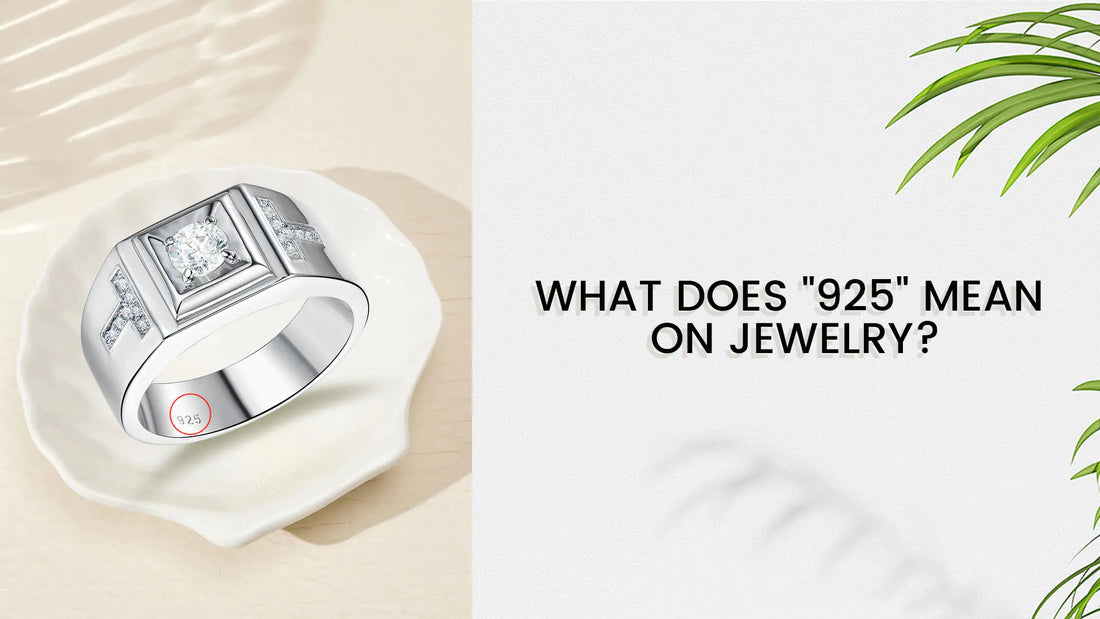
What Does "925" Mean on Jewelry? Your Complete Guide to Sterling Silver
The small "925" stamp found on silver jewelry is more than a decorative hallmark—it's an international symbol of authentic sterling silver. For B2B buyers, retailers, and jewelry enthusiasts alike, understanding this number can mean the difference between a reliable, high-quality investment and a misleading purchase.
This guide breaks down everything you need to know about 925 sterling silver: its composition, historical significance, identification, maintenance, and why it remains one of the most trusted and profitable materials in the jewelry industry.
What Does "925" Actually Mean? The Chemistry of Quality
The number "925" is the official millesimal fineness mark for sterling silver. It signifies a precise alloy composition:
-
92.5% pure silver (Ag): This high percentage gives the metal its signature brilliant luster and value.
-
7.5% copper (Cu) or other strengthening metals: The addition of a base metal, most commonly copper, is crucial. Pure silver is too soft and malleable for everyday wear and would easily bend, scratch, or lose its shape. The alloy provides the necessary hardness and durability without compromising the metal's beauty.
This specific ratio, known as the sterling silver standard, ensures structural integrity, making it ideal for crafting intricate and long-lasting jewelry.
Common 925 Hallmarks:
- 925 (Standard stamp)
- S925 (Alternate stamp format)
- STERLING (Spelled-out version)
- .925 (Decimal variation)
This internationally recognized code is a quality guarantee trusted across wholesale, retail, and consumer segments.
A Brief History of the 925 Hallmark
The concept of hallmarking precious metals to guarantee purity dates back centuries, but the sterling silver standard has a particularly rich history.
The term "sterling" itself is believed to have originated in medieval England. Under King Edward I in the year 1300, the purity of 92.5% was formally established by law as the official standard for silver articles, a measure intended to protect consumers and prevent fraud. Today, this standard is accepted globally and enforced by customs, assay offices, and jewelry regulators.
Why Jewelers Trust 925 Silver: Science Meets Craftsmanship
Sterling silver is prized by designers and manufacturers for its perfect balance of beauty and durability. The 92.5% silver content provides:
-
Exceptional Workability: It is soft enough for artisans to mold, cast, and engrave with precision, yet strong enough to hold its shape.
-
Structural Integrity: Its hardness makes it an ideal metal for securely setting gemstones and creating detailed, long-lasting patterns.
-
Brilliant Luster: It has a natural, bright finish that is highly reflective and aesthetically pleasing.
-
Hypoallergenic Properties: For most wearers, sterling silver is hypoallergenic, especially when it is free from common irritants like nickel, making it a safe choice for sensitive skin.
How to Identify Real 925 Sterling Silver
As a buyer or retailer, authenticating silver is essential to ensuring quality and consumer trust.
Check for These Signs:
Hallmarking: The most reliable indicator. Use a jeweler's loupe to find the 925, S925, or STERLING stamp, typically located in a discreet spot like the inside of a ring, on a clasp, or on the back of an earring.
Non-Magnetic Properties: Real silver is not magnetic. If a magnet sticks strongly to the piece, it is likely a silver-plated item with a different base metal.
Weight: Genuine sterling silver feels heavier than counterfeit metals like aluminum or steel.
Odor: Real silver is odorless. A metallic smell, often likened to sulfur, can indicate a different alloy.
Professional Testing: For high-value pieces or bulk verification, professional jewelers can perform an acid test or an X-ray Fluorescence (XRF) scan to confirm the exact metal composition.
Sterling Silver Care Tips: Tarnish Is Natural, But Preventable
Tarnishing is a natural chemical reaction that occurs when silver reacts with sulfur in the air. Proper maintenance, however, can keep your pieces bright and beautiful.
Do:
- Store in airtight bags or anti-tarnish pouches to limit air exposure.
- Use a silver polishing cloth regularly to remove light tarnish.
- Wear jewelry often, as the natural oils from your skin can help prevent tarnish.
- Clean with warm soapy water and a soft cloth for a deeper clean.
Avoid:
- Wearing in chlorine pools, hot tubs, or saltwater, which can accelerate tarnishing.
- Direct contact with harsh chemicals like bleach, perfume, or hairspray.
- Storing in open air or in high-humidity environments like bathrooms.
Why Retailers and Wholesalers Prefer 925 Sterling Silver
Sterling silver consistently ranks as one of the most profitable and reliable materials in the jewelry market. Its versatility and value proposition make it a favorite for both B2B and B2C segments.
For Retailers:
-
High Demand: Appeals to a wide demographic, from younger consumers seeking trendy pieces to older buyers looking for classic, timeless designs.
-
Better Margins: Offers a premium feel and higher perceived value than fashion jewelry, while being more accessible and profitable than gold.
-
Versatility: Works across a wide variety of styles, from minimalist to statement, and is an excellent metal for showcasing gemstones and personalization.
For Wholesalers:
-
Standardized Quality: The 925 hallmark provides a globally recognized quality standard, making it easier to certify and authenticate.
-
Eco-Conscious Appeal: Sterling silver is 100% recyclable, aligning with the growing consumer demand for sustainable materials and ethical practices.
-
Scalability: It is an ideal material for both mass production and bespoke artisan batches, making it a flexible choice for various business models.
Frequently Asked Questions About 925 Silver
Q1: Does 925 silver tarnish?
A: Yes, but with proper storage and regular cleaning, tarnish is minimal and easily reversible.
Q2: Is 925 silver waterproof?
A: Technically yes, but repeated water exposure (especially to chlorine or saltwater) can accelerate tarnishing. It's best to remove silver jewelry before swimming or showering.
Q3: Is 925 hypoallergenic?
A: For most wearers, yes. The high purity level (92.5%) means it contains very little of the common metal allergens like nickel.
Q4: Will 925 silver turn your skin green?
A: This is extremely rare. It can happen if a person has a specific skin chemistry that reacts with the copper alloy, but it is not a sign of a fake piece.
Q5: Can I wear 925 silver every day?
A: Absolutely. Sterling silver is designed for frequent, even daily, wear due to its durability.
Conclusion: Why 925 Silver Remains a Market Favorite
Sterling silver marked with "925" is more than just a stamp—it's a statement of quality, authenticity, and timeless appeal. Whether you're sourcing pieces for retail or investing in a personal collection, sterling silver continues to offer a blend of affordability, beauty, and dependability unmatched by many other materials.
At Kirin Jewelry Factory, we specialize in high-quality, genuine 925 sterling silver jewelry designed for today's discerning market. Our catalog is built on quality, craftsmanship, and consistency—perfect for B2B buyers seeking trusted wholesale partners.
Explore our sterling silver collection today and bring the trusted brilliance of 925 to your customers.